
Software can read a spreadsheet. It can't see a production line.
What most UK CBAM tools do
Work from documents you or your supplier upload, and fall back on national or sector average default values whenever primary data isn't already in hand. Built for the importer's side of the paperwork, priced for an enterprise compliance budget.
What we do instead
Go to the actual production data, production volumes, fuel and energy source, direct process emissions, at the supplier's own facility, and calculate from it there, ready for an independent verifier. Built for the producers who don't have an in house ESG team or compliance software licence, and for the UK importers who need to trust what that producer hands over.
What UK CBAM actually means
From 1 January 2027, UK importers of certain carbon intensive goods have to pay a charge based on the emissions embedded in what they're bringing into the country, calculated against the carbon price UK producers already face under the UK Emissions Trading Scheme. The charge is legally the importer's liability. But the number it's calculated from is either the supplier's actual production data, or a default value assigned to their product if nothing better is on file, and that difference is what this service exists to close, for whichever side of the transaction you're on.
Dates as published at the time of writing. Check GOV.UK for the current position.
UK importers below that £50,000 threshold of UK CBAM goods over a rolling 12 months don't have to register at all. Above it, they do, and they'll be looking at their supply chain to work out where their exposure actually sits.
Protect your competitiveness with UK buyers
If your UK customer has no verified data from you, they fall back on a default value set at your sector average. If your facility runs cleaner than that average, the default overstates your emissions and inflates your buyer's charge for reasons that have nothing to do with your product. A competitor down the road who can hand over verified numbers becomes the cheaper option on landed cost, at the same shipping price.
- Find out your real position before deciding whether to disclose it
- A report you can reuse with every UK customer, not just one
- No site visit required, remote data collection throughout
De-risk your landed cost and your filing
A default value applied across an unverified supply chain is rarely in your favour, it's a conservative, deliberately cautious figure, not a discount. Where you have leverage with a supplier or a multi year contract worth protecting, verified data lowers your exposure and gives your compliance team a filing they can actually stand behind, not a number pulled from a government table.
- Commission the emissions calculation directly, for one supplier or your wider supply base
- A report built to what your UK CBAM filing needs, not a generic sustainability summary
- We can coordinate with your suppliers directly, so you're not chasing the data yourself
Sectors covered
UK CBAM covers five sectors from launch, with two more due to follow later.
Billets, rebar, structural sections, coils and other primary and semi-finished steel and iron products.
Unwrought aluminium and common aluminium alloy products.
Clinker and cement, where the calcination process itself is a major direct emissions source.
Ammonia based and nitrogen fertiliser products.
Hydrogen produced for export, where production route (electrolysis versus reformation) drives most of the emissions difference.
Glass and ceramics are not part of the 2027 launch scope. The government has said it will consider them for future inclusion.
Worth being upfront: if a facility's actual emissions intensity runs higher than the default its sector would otherwise be assigned, disclosing verified data could raise the resulting charge rather than lower it. We calculate the real position first, for the supplier, so that decision is made with actual numbers, not assumed in either direction. Want the full data ask in one place? Download the sector-by-sector checklist (PDF).
How we work
A discovery call to confirm product lines, production routes, and whether we're engaged by the supplier, the importer, or both. The supplier shares production volumes, fuel and electricity consumption with grid mix or source, direct process emissions data such as calcination or reduction reactions, and any environmental reporting already held, remote data collection throughout, no site visit required. We calculate embedded emissions per product, check it against the applicable default value, and build the evidence trail behind it. Verification itself is carried out by an independent, accredited verifier, not by Driftwatch, and we prepare the evidence so that step goes smoothly. The supplier sees their own report before it goes anywhere near a buyer, so their position is understood first, and we coordinate directly with the UK importer's compliance team where that's useful, since the report is only worth as much as their confidence in it. UK CBAM's default values and reporting periods are reviewed regularly, so we flag when figures need refreshing rather than leaving it to expire quietly. Pricing is scoped to product range and how much data is already in hand, confirmed on that first call, whichever side of the relationship is commissioning it.
What you get

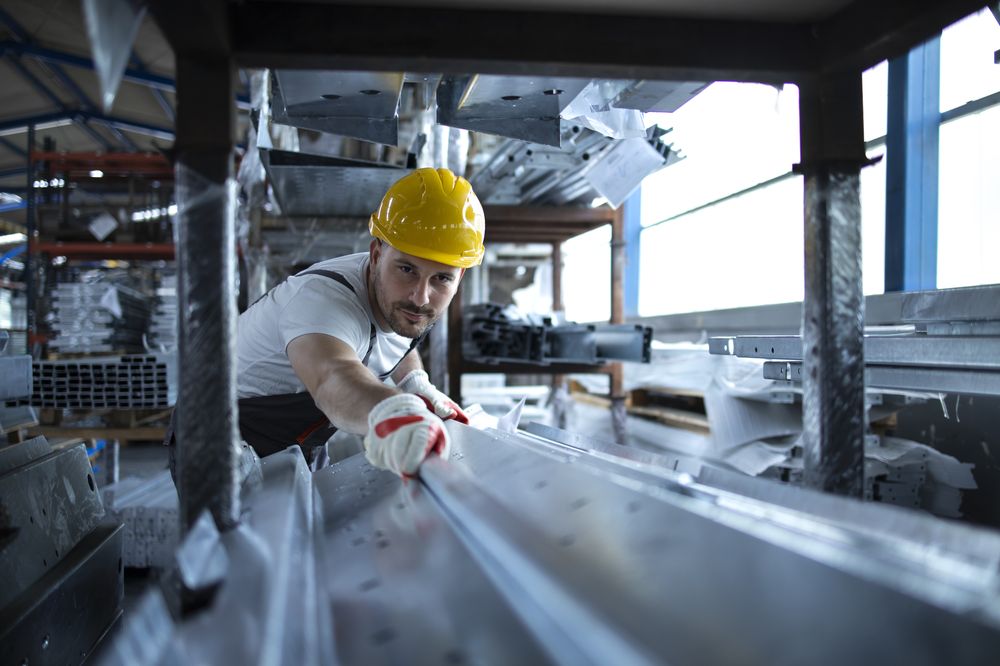
Data from the production line
We work from fuel, electricity and process data at the facility, not from a spreadsheet upload.
- Production routes and product lines confirmed
- Energy and process inputs traced to source
- Gaps in the data flagged early

A clear actual versus default view
Your calculated emissions intensity is set against the default value an importer would otherwise be assigned.
- Shown side by side, including where actual is higher
- Explained in terms of cost to the importer
- Ready to share with your UK buyers
An evidence pack for the verifier
Independent verification is carried out by an accredited verifier, not by Driftwatch. We prepare the evidence so that step runs smoothly.
- Calculation workings and data sources documented
- Organised the way a verifier will ask for it
- Verification commissioned separately
Start here
Tell us where you sit and roughly what's involved, and we'll come to the discovery call already scoped instead of starting from zero.
Frequently asked
Do you verify the emissions yourselves?
No. Under UK CBAM, emissions data used in place of a default value has to be verified by an independent, accredited verifier, which is a separate body from us. We calculate your embedded emissions from production data, check them against the applicable default value and build the evidence trail, so the verifier has what they need and that step runs smoothly. Verification is commissioned and paid for separately, and we can't promise what a verifier will conclude.
We already report under the EU's CBAM, does that cover the UK too?
No, they're separate regimes with different product scope, different default values and different reporting periods, though the underlying data already gathered for the EU usually adapts quickly rather than starting from nothing.
As a supplier, we don't pay the charge ourselves, so why does this cost us anything?
Because the alternative to your data isn't no charge, it's a default value assigned on your behalf, and if that default is worse for you than the truth, it's your buyer's landed cost, and by extension your competitiveness, that carries it.
As a UK importer, can we commission this across our whole supply base at once?
Yes. We can scope it supplier by supplier or as a wider review across your import list, prioritised by whichever accounts carry the most volume or the most exposure.
What if a supplier's actual emissions turn out higher than the default?
Then they may be better off letting the default apply, and we'll say so plainly rather than pushing disclosure regardless. The point of calculating the real number first is so that choice is genuinely theirs, or yours if you're the one commissioning it.
UK CBAM doesn't start until 2027, why deal with this now?
Because UK importers are already starting to ask their supply chains about it ahead of that date, to plan sourcing decisions rather than scramble at the deadline. Being the supplier who already has an answer when that question arrives is worth more than having it ready on time, and being the importer who asked first is worth more than being the one caught out.
What data do you actually need?
From a supplier: production volumes by product line, energy consumption with fuel type and grid source, direct process emissions specific to the production route, and any existing environmental or carbon reporting held. From an importer: which suppliers and product lines to prioritise, and an introduction to the relevant contact on the supplier side. We'll confirm exactly what applies on the discovery call.
Supplier or importer, the call is the same first step.
A short call is enough to work out where you actually stand.